
Many homeowners forget the importance of septic tank risers in the maintenance of an effective Septic system. These essential, but simple elements provide easy access to the tank, making routine inspections, pumping, and maintenance tasks much simpler. When you install risers to your tank, you will eliminate the necessity to dig out the ground each time a service needs to be performed. This saves time and effort, but will also lessen the disruption of your landscape. They also reduce the risk of accidents and injuries during maintenance as they create a safe, easy-to-access entry point.
The control of effluent is also a critical part of maintaining the system’s health. The liquid waste that’s discharged from the septic system into the drain field for further treatment is referred to as effluent. The mixture of bacteria, organic matter, and water is called effluent. In time, the solids in the effluent could be deposited at the bottom of the tank, forming the appearance of sludge. If not dealt with promptly, the sludge may build up and block the system, resulting in backups, unpleasant odors, and even damage to the drain field. Regularly scheduled pumping and management of effluent ensure that the septic tank is operating efficiently, preventing blockages and extending its lifespan.
A proper drainage system is an essential component of the functionality of a septic system. The wastewater that is discharged from your house is absorbed by the septic system and goes through separation. Solid waste is deposited on the bottom of the tank while lighter liquids and substances rise to the surface and form the scum layer. The effluent (the liquid that remains within the tank) exits and is discharged into the drain area to be cleaned and absorbed by the soil. The drainage systems designed properly allow for smooth effluent flows to avoid flooding and back-ups. It is crucial to ensure that drainage pipes are clear of dirt, roots, or any other obstructions that may slow the flow of effluent. Regularly scheduled inspections and regular maintenance of the drainage system can help in avoiding costly repairs as well as the possibility of environmental contamination.
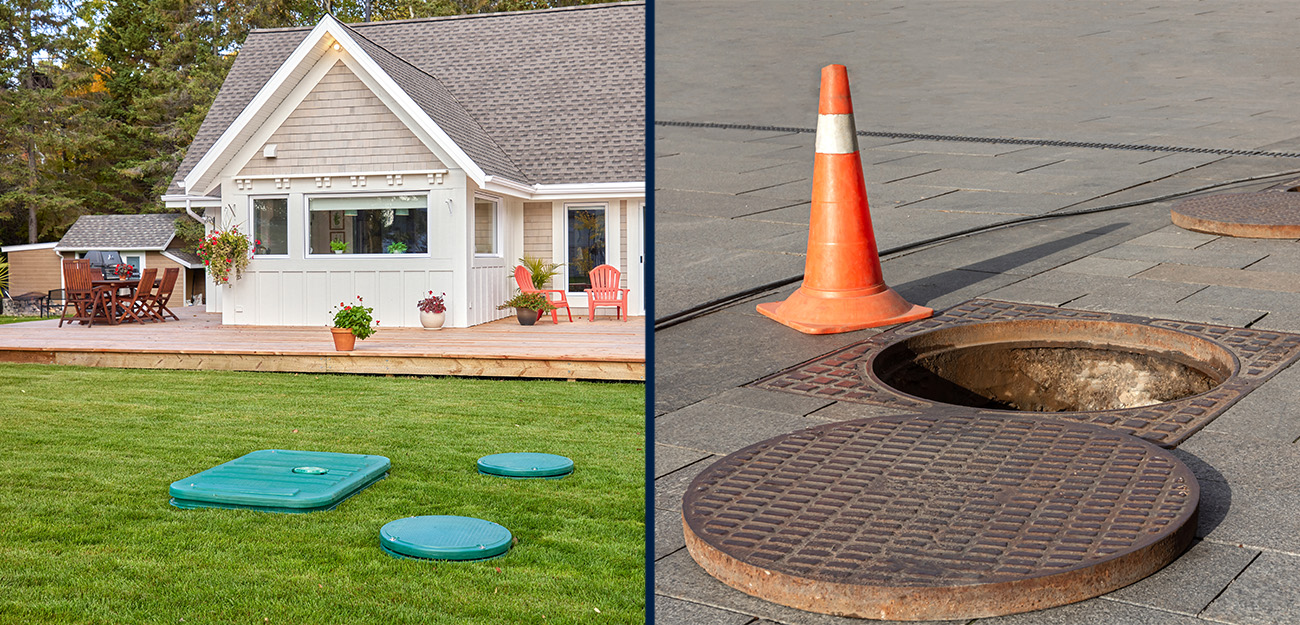
Selecting the best septic tank for your home is a crucial choice that could have a long-term impact on your property’s functioning and sanitation. There are a myriad of options available in the market, it’s important to think about a number of aspects before making a final decision. The dimensions of the tank need to be based on the amount of water used in your house as well as the number of people living there. If you have a huge family or frequently entertain guests, then a larger tank is required. Second, you should consider the material used in the tank. Common options include concrete, fiberglass, and plastic. Each has advantages and disadvantages, based on durability, cost, and maintenance. Review local regulations and specifications for the septic tanks. It’s important to choose a tank that meets the standards required and is in compliance with any specific guidelines.
Consult a professional installer of septic systems. They will assess your home and provide an informed recommendation based on the soil and topography conditions. Be aware of these elements to ensure you select the right septic tank that best fits your home and provides a reliable and efficient system of wastewater management.
For a healthy and reliable septic system, it’s essential to make sure that the septic tank functions well and is properly maintained. It is also helpful to install risers and ensure proper drainage. Septic tanks function as the main treatment system for household wastewater. Moreover, the management of effluents ensures the safe treatment of liquid waste. The septic tank is reached easily by using the riser for septic tanks. A properly-drained system allows for a smooth flow of effluent and prevents system failures. The importance of these elements and the need to follow regular maintenance programs will ensure that the septic systems are eco-friendly, efficient, and last for a long time. This ensures a healthy and safe living space.