
Play is vital for the development of children. It fosters creativity, mental growth and emotional well-being. Toys are especially important for children with specific sensory requirements, like those with ADHD and autism. To accommodate these unique requirements There are a range of products and toys which have been specifically designed. The market is stocked with a vast variety of toys and products for children with ADHD or autism, as well as sensory issues.
ADHD Toys to help focus and engage children
Children with Attention Deficit Hyperactivity Disorder (ADHD) often have difficulty to keep their attention on track and manage their behavior. Games that encourage children to channel their energies efficiently are vital for their development. ADHD toys are made to help improve concentration and provide sensory experiences.
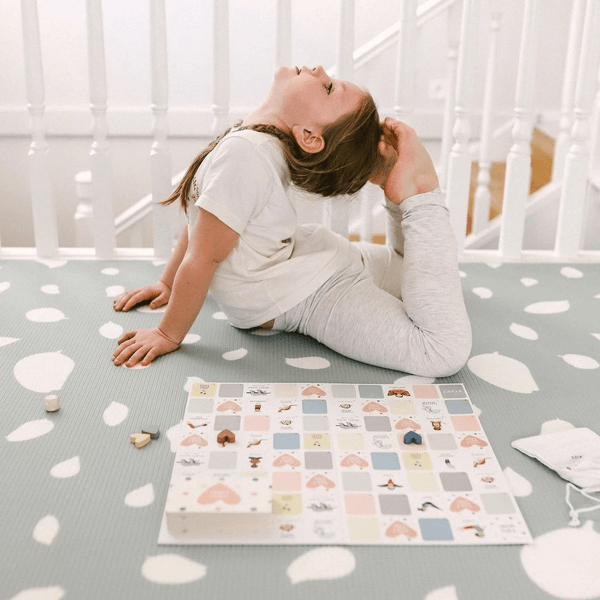
Children with ADHD may benefit from games such as interactive puzzles, fidget play sets and construction sets. They are excellent for tactile exploration as well as fine motor skill improvement and problem-solving. The fidget toys, specifically can help kids to satisfy their need for sensory input while keeping their hands busy and occupied, which helps improve focus and concentration.
Autism-Friendly Product Helping with Diverse Sensory Needs
Autism is a form of developmental disorder that affects the capacity to communicate and interact socially, and is often accompanied by sensory sensitivities. The right toys can have a tremendous influence on the enjoyment of children suffering from autism. Autism-friendly products are thoughtfully designed to meet the needs of children with sensory sensitivities and facilitate positive interactions. For more information, click Sensory processing disorder products
These could be toys that have soothing lights and sound as well as blankets with weights and tactile sensory balls. They are designed to stimulate multiple senses while providing a sense of comfort and security. These toys can provide a calming effect that can ease anxiety and stress. They also allow children to connect with their surroundings in a more relaxed way.
Sensory Toys The Multisensory World for Children
Sensory play is vital for all children because it stimulates exploration, cognitive development, and the understanding of their environment. Children with sensory processing disorders may have difficulty regulating themselves as well as developing. This is the reason why sensory toys are so important.
Sensory toys come in a variety of shapes. They range from tactile toys, such as squishy-ball stress relievers, to visual toys like light projections. These toys are a great way to engage different sensory systems, helping children develop sensory connections, build language skills, and improve their ability to absorb sensory information. The tactile, visual and auditory components of these toys aid in the development of a holistic sense.
SPD Products to Support Children with Sensory Processing Disorders
Children suffering from sensory processing disorders need products that cater to their unique sensory needs while also enhancing comfort and involvement. SPD products are designed to assist children suffering from sensory sensitivities control and enhance their experience with sensory stimulation.
SPD products such as sensory bins, sensory vests, and weighted ones allow for sensory exploration and control. Sensory bins and swings have been designed to provide vestibular input that is calming. Weighted Vests, however can serve as a gentle pressure for a soothing feeling. Sensory bins that are filled with a variety of types of textures stimulate imaginative play as well as touch.
Selecting the Best Toys: Factors to Consider
When selecting toys and products designed for children with ADHD, autism, or sensory processing disorders, a number of elements should be taken into consideration:
1. Sensory Features: Opt for toys that provide auditory, visual, tactile or proprioceptive experiences that meet specific needs.
2. Safety: Make certain that the toys don’t have any tiny parts that could pose choking hazards and are made using non-toxic materials.
3. Engagement: Choose toys that capture your child’s imagination, and encourage engaging and imaginative play.
4. Comfort: Look for products that are comfortable and secure, particularly for children who may have sensitivities.
5. Inclusivity: Ensure that everyone is included by prioritizing toys that children of all ages can enjoy.
In an era where play is an essential tool for development and growth It’s gratifying to witness the rise of toys and products designed to meet the varied needs of children who suffer from ADHD and autism, as well as sensory processing issues. ADHD toys, autism-friendly toys, and sensory toys aren’t just fun, but they also help children feel like part of the community, engaged, and empowered.
Parents, educators and their caregivers hold the power to influence a child’s developmental journey by selecting the appropriate toys. Through providing a purposeful and meaningful play experience that respects and appreciates the unique sensory needs of each child we can create a welcoming and safe space in which every child can flourish.