
The Church of Jesus Christ of Latter-Day Saints which is also referred to as the Mormon Church – has a complex story of race relations. This article aims to provide an objective and factual analysis of the history of treatment for Black people within the Mormon Church, discussing the policy restrictions that were applied and how the Church has adapted to disavow past beliefs and practices that were deemed racist.
Blacks in Mormonism, a Historical Overview
Between 1852 and 1978, between 1852 and 1978, the Mormon Church implemented a policy that restricted blacks in Mormonism from priesthood and ordination. The reason for this was based on interpretations of scripture and racial beliefs of the time. Blacks were not allowed to take part in certain rituals or church-related duties. This led to discrimination in the Mormon community. It is essential to understand that this discriminatory practice was not exclusive to Mormonism. Rather, it reflected racial biases that were commonplace in American society during the time.
The Mormon Black Peoples, the 1978 Revelation
The year 1978 marked a significant turning point in the history of Mormonism. Spencer W. Kimball was the president of the Church at the time and had what Mormons considered to be a “divine revelation” regarding the exclusions of blacks from the priesthood. The revelation, which is considered to be crucial, lifted the restriction that had been in place for more than 100 years. The Church of Jesus Christ of Latter-Day Saints made it clear that blacks are now priests and be a part of the Church’s activities in all areas.
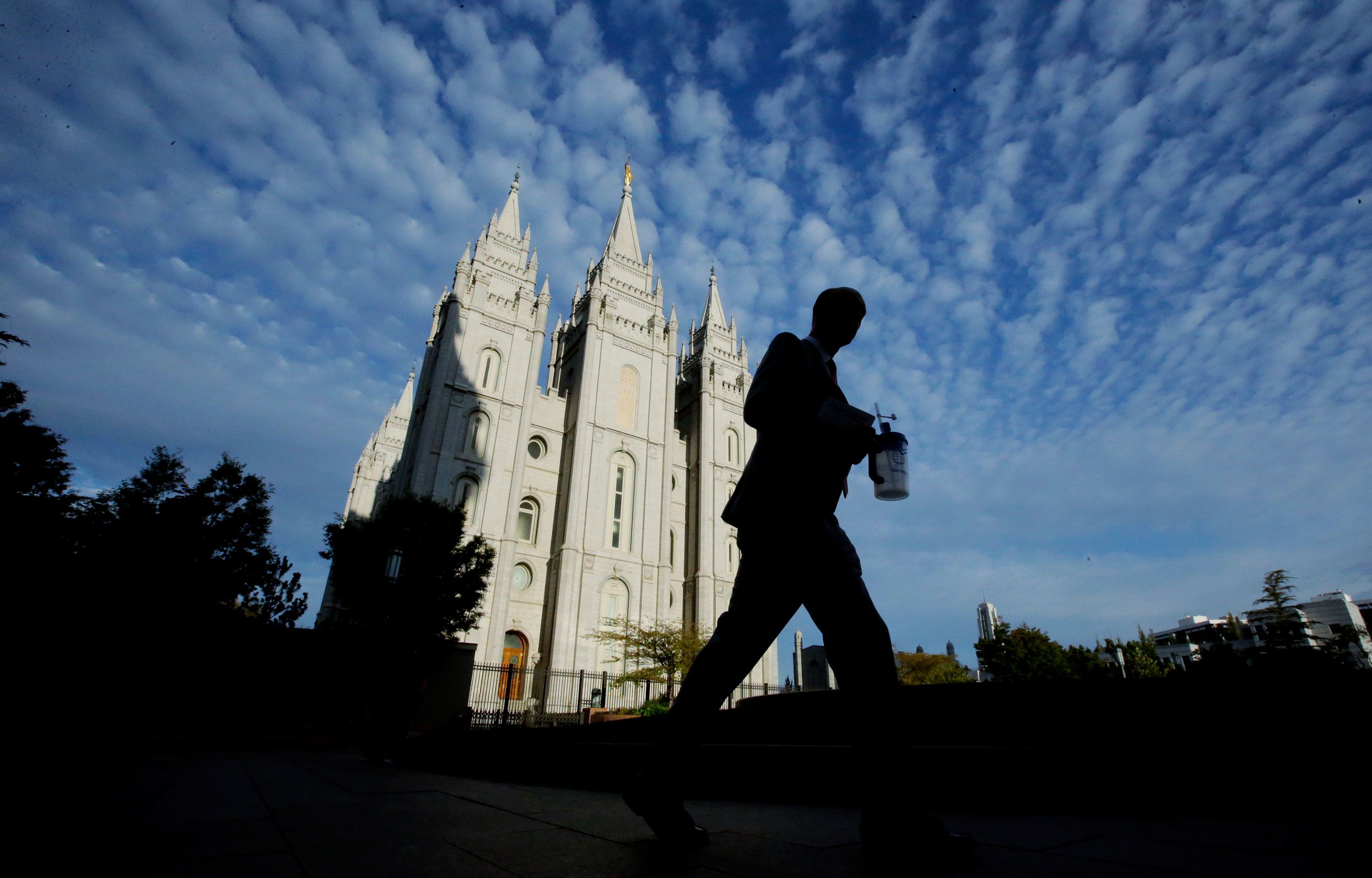
The Church of today rejects all racism and seeks peace, welcoming everyone regardless of race, gender, or ethnicity, to the gospel of Jesus Christ. The doctrine of equality is for all and stresses that God will accept anyone regardless of race, gender or the status of their social life. For more information, click Mormon Black People
Joseph Smith’s Fair Treatment of Black Individuals
Joseph Smith, the founder of the Mormon Church, treated Black people fairly, despite discrimination that was prevalent at the time. Joseph Smith is known to have ordained Blacks into the priesthood in his lifetime. This practice was in keeping with Smith’s principles of equality and inclusivity within the Church. However, the next leadership have implemented policies that barred the priesthood of blacks and reflected changing attitudes towards race during the middle of the 19th century.
Racism It is something to address and working towards unity
The Church of Jesus Christ of Latter-Day Saints has taken significant measures in recent times to tackle racism and create unity among its members. The Church’s leadership has issued statements that disavow historical racial practices and beliefs. They emphasize that racism of any kind is a violation of the doctrines and the fundamental beliefs of the Church.
The Church promotes love, understanding and acceptance in its diverse membership. It affirms the importance and worth for every person. The Church makes an effort to help its members understand the significance of cultural sensitivity and inclusiveness.
Conclusion
Knowing the Church of Jesus Christ of Latter-Day Saintstheir evolution in dealing with racial issues and the past of Blacks within Mormonism is essential to promote the unity and equality. The practice that barred Blacks from the priesthood for more than a century reflects a painful period in the history of the Church. The revelation of 1978, however, was a turning point moment, signaling an embrace of inclusivity and equal rights.
The current policy of the Mormon Church is to reject racism, defend equality and promote tolerance and love within its members. By confronting the past’s prejudices against race and taking steps to move forward, the Mormon Church is moving forward towards mutual understanding and unity.