
Avian companionship is the most popular form of human interaction. the health and well-being of our feathered companion is essential. As we consult doctors to look after our health, so do birds need specialized medical attention in order to keep their health at its peak and happiness. The bird vet (also known as an Avian Veterinarian) is a valuable resource when it comes to this. Bird vets can diagnose, treat, and prevent health problems in birds because of their specific skills and knowledge.
A bird vet is a skilled veterinarian who has completed special training in the diagnosis and treat bird diseases. In contrast to traditional veterinarians who predominantly concentrate on dogs and cats, bird vets specialize in avian medicine and dedicate their careers to studying the complexities of the anatomy, physiology and behavior. Their specialized training equips them with the knowledge needed to tackle the unique issues that birds face including parrots, parakeets, and everything between.
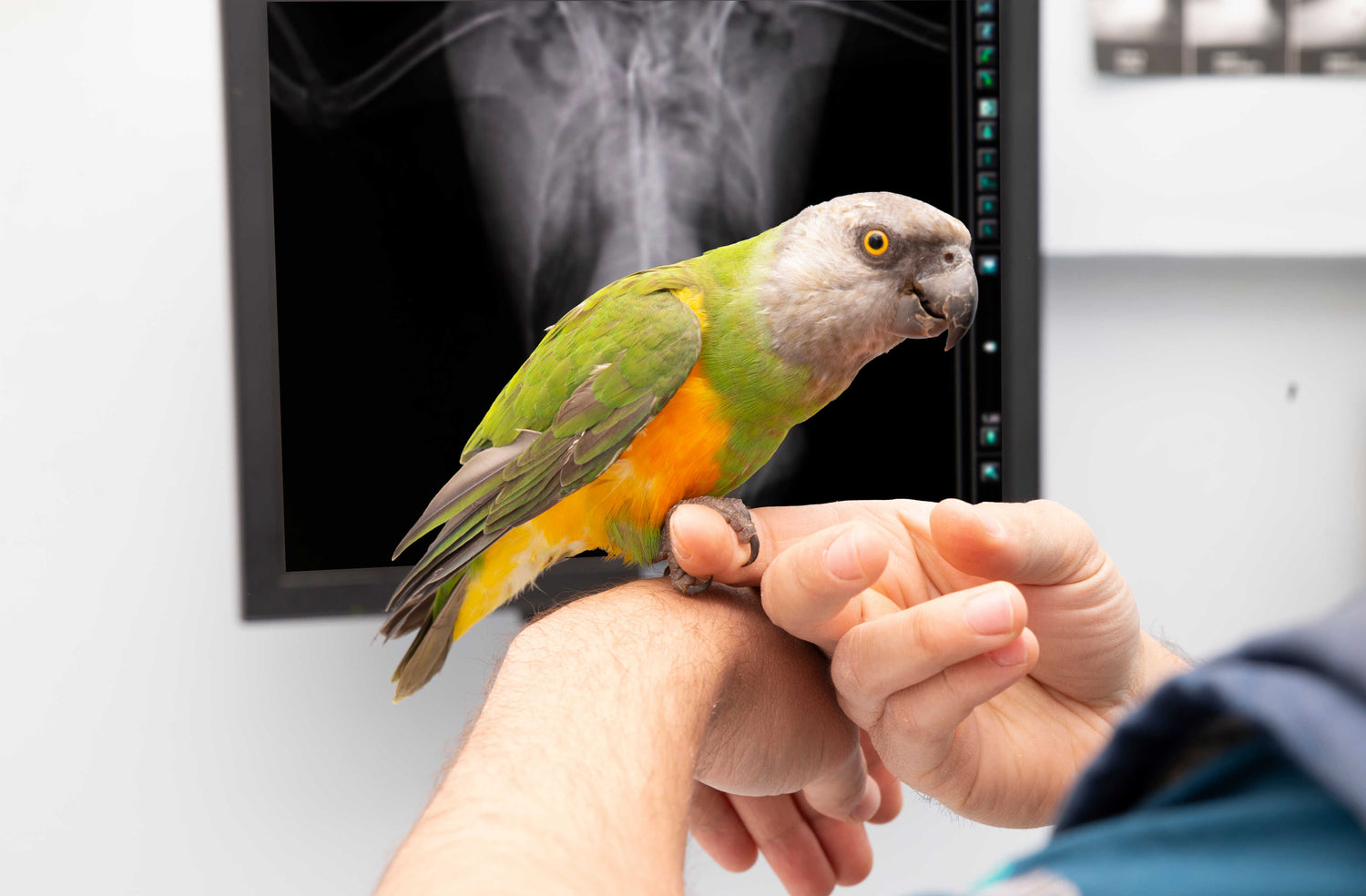
Bird vets are responsible for making sure your bird receives the best possible care throughout their entire life. From routine health checks to emergency interventions, vets for birds are trained to manage a wide range of health problems that may occur in avian patients. Whether it’s diagnosing and treating eggs binding, feather plucking respiratory infections, behavioral issues, bird vets have the expertise and knowledge that are required to provide comprehensive care tailored to the individual needs of each bird. For more information, click birds vet near me
Bird vets also play a crucial role in preventing disease, helping to recognize health concerns that may be present and redress them prior to them becoming more grave. The vets of bird medicine monitor the condition of your bird by conducting regular wellness checks. They can identify early signs of illness and recommend precautionary measures to ensure it is healthy. Through being vigilant and proactive, bird owners can ensure that their pets live lifelong, happy and healthy lives under the attentive supervision of a committed bird vet.
A bird vet’s deep understanding of the behavior of avians is one of the biggest advantages of consulting them. Birds, with their intricate communication and social structures frequently exhibit behavior that are difficult for pet owners to understand. Bird vets know-how in bird behavior, can offer the best advice for taking care of your feathered companions. It doesn’t matter if it’s understanding the importance of certain vocalizations or voicing concerns, addressing the aggressive nature of your bird, or providing enrichment opportunities to stimulate their minds, vets are able to provide practical guidance to improve your bird’s quality of life.
Alongside their medical expertise in the field of medicine, bird vets also serve as advocates for avian welfare and conservation. They help to increase appreciation and appreciation of birds as creatures that deserve compassion and respect by their actions. Bird vets are crucial in ensuring the health of birds kept in the cage as well as in the wild. They educate pet owners about the importance of caring for their pets in a responsible manner as well as nutrition and environmental enrichment.
If you’re searching for a veterinarian who will take care of your bird, ensure they’re experienced, experienced and compassionate. Find a bird vet with specialization and a genuine passion for caring birds. In addition, you should consider aspects like the reputation of the vet as well as the cleanliness and efficiency of their clinic, as well as their willingness to answer your questions and answer your questions.
The importance of a bird veterinarian in the field of avian wellness cannot be overemphasized. From diagnosing and treating health issues to providing guidance on behavior and well-being, vets of birds are essential to maintaining the health and wellbeing of our feathered pets. The owners of birds can improve their bird friends by collaborating with a skilled bird vet who prioritizes preventative health care and focusing on prevention.