
In the ever-evolving landscape of business strategy, few tools are as versatile and insightful as the SWOT Analysis. The acronym stands for Strengths, Weaknesses, Opportunities, and Threats, SWOT Analysis provides a comprehensive framework for assessing the external and internal elements that influence a company’s performance and potential. This article explores the SWOT analysis’s definition, principles and application.
SWOT Analysis Definition
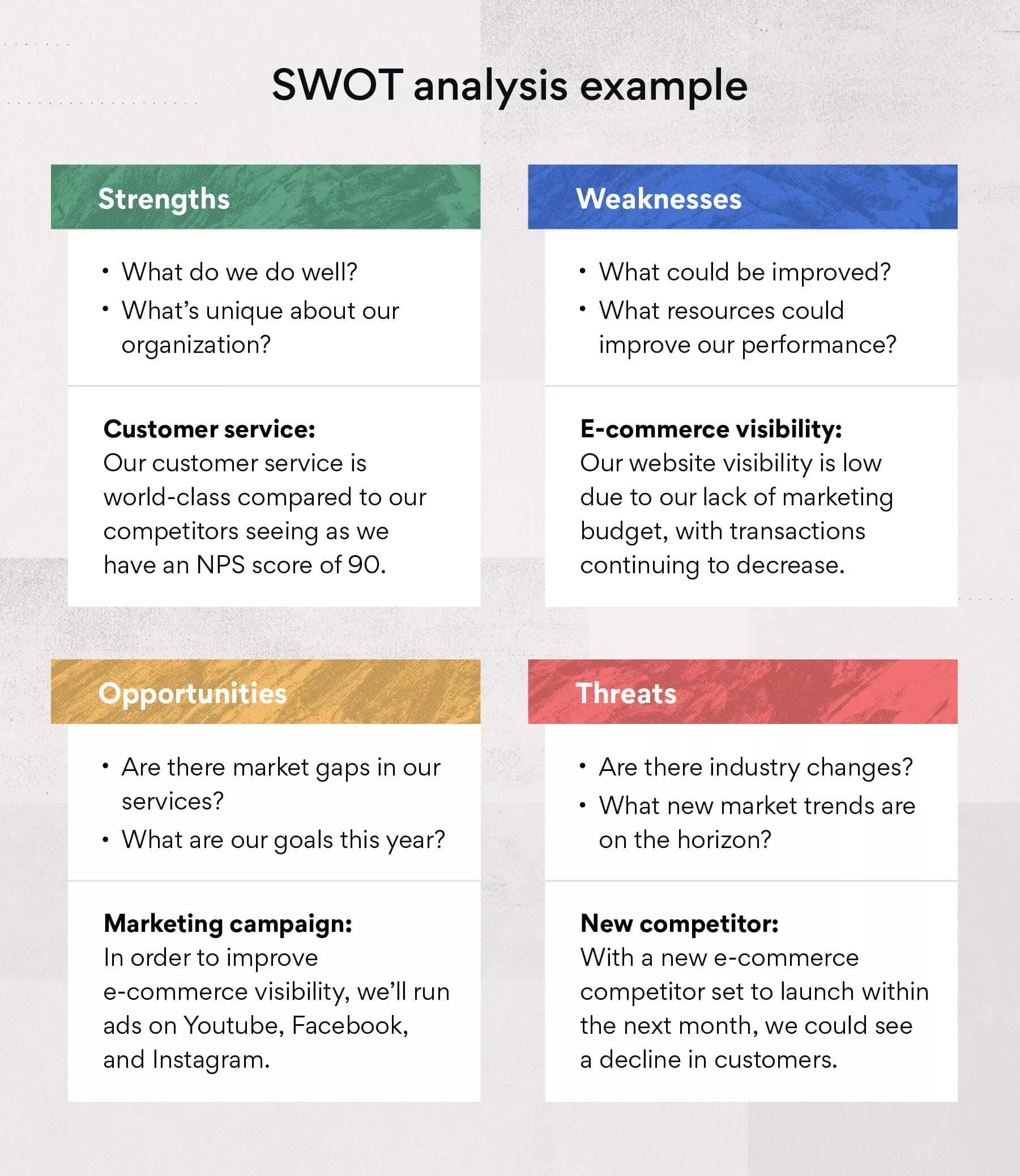
In essence, SWOT Analysis is a strategic planning tool used to identify and evaluate the internal strengths and weaknesses of a company and the external threats and opportunities it is facing. Through systematically analyzing the variables that influence the business, they can gain insights into their competitive position and strategic direction as well as potential areas for improvement.
The SWOT Analysis Guide – A Strategic Roadmap
SWOT analysis is only effective if you are aware of the goals and elements. To begin, companies must identify their strengths – those internal resources and assets that give them a significant advantage in their market. This could mean a combination of elements, like an established brand name and innovative products or a highly-skilled workforce. For more information, click SWOT Analysis Guide
Then, the organization must identify its weaknesses. These are areas where they might not have or are susceptible to competition. This could be because of outdated technology infrastructure, a restricted market or an inefficient internal process.
Looking at the outside Businesses must look at potential opportunities external forces or trends that could be used to their advantage. This could include changes in consumer behavior or emerging market trends.
Finally, organizations should assess external threats or issues that could threaten their operations or hinder their success. This could include things such as increased competition, regulatory change, and economic recessions.
Business SWOT Analysis: Integrating Internal and External Perspectives
SWOT Analysis is able to include both internal perspectives and external ones when making strategic decisions. By examining a business through multiple perspectives, companies can gain a greater knowledge of their operational environment and position themselves to be successful.
SWOT Analysis assists businesses from a purely internal perspective to identify areas where there are strengths that can be leveraged as well as areas where they have weaknesses that need improvement. This self-awareness can help companies maximize their resources and streamline and improve their operational efficiency.
SWOT Analysis can help businesses keep track of changes in the market from an outside perspective. Through identifying opportunities, businesses can pursue new ventures, expand their markets, or innovate new products and services. In assessing threats, organizations can create contingency plans to mitigate risks and ensure their long-term viability.
Maximizing Impact of SWOT Analysis
For maximum benefit from SWOT Analysis organizations must move beyond identification and analysis. They need to transform insights into actionable steps. It involves developing strategies that capitalize on strengths, address weakness to take advantage of opportunities and reduce threats.
SWOT Analysis also isn’t a one-time process, but a continual process that changes in line with the changing business environment. To ensure their SWOT analysis is useful and efficient, companies must revisit and update it when the market shifts and new challenges emerge.
SWOT Analysis – A Tool to make Strategic Decisions
In conclusion, SWOT Analysis remains a cornerstone of business planning and strategic management. It provides a standardized method for evaluating the external and internal factors that impact organizational performance. By systematically evaluating their strengths, weakness as well as threats, opportunities and other elements, companies can gain valuable information about their competitive positioning, identify strategic goals, and chart the course for sustainable success and growth. When businesses are trying to navigate the complex of the modern marketplace, SWOT Analysis serves as a powerful tool for unlocking potential, driving innovation, and achieving strategic objectives.